Concentrate texture, shown for context. High Rise archive; no device or product identity implied.
Portable vaporizer and e-rig sound like competing categories, but the labels answer different questions. Portable describes the format, while e-rig describes a type of electrically heated concentrate hardware. Neither term alone tells you everything about the material, controls or care a device requires.
The clearest comparison is a portable dry-herb vaporizer against an electric concentrate rig. Even then, shape is only the beginning of the ownership picture. A useful comparison also includes removable parts, charging, water filtration and access to support.
Think of this as a guide to the categories and their practical differences. Manufacturer documentation supplies the examples, without substituting for independent durability or performance testing. There is no single winner hiding behind the labels, and no shared cleaning recipe.
Material compatibility comes before the silhouette
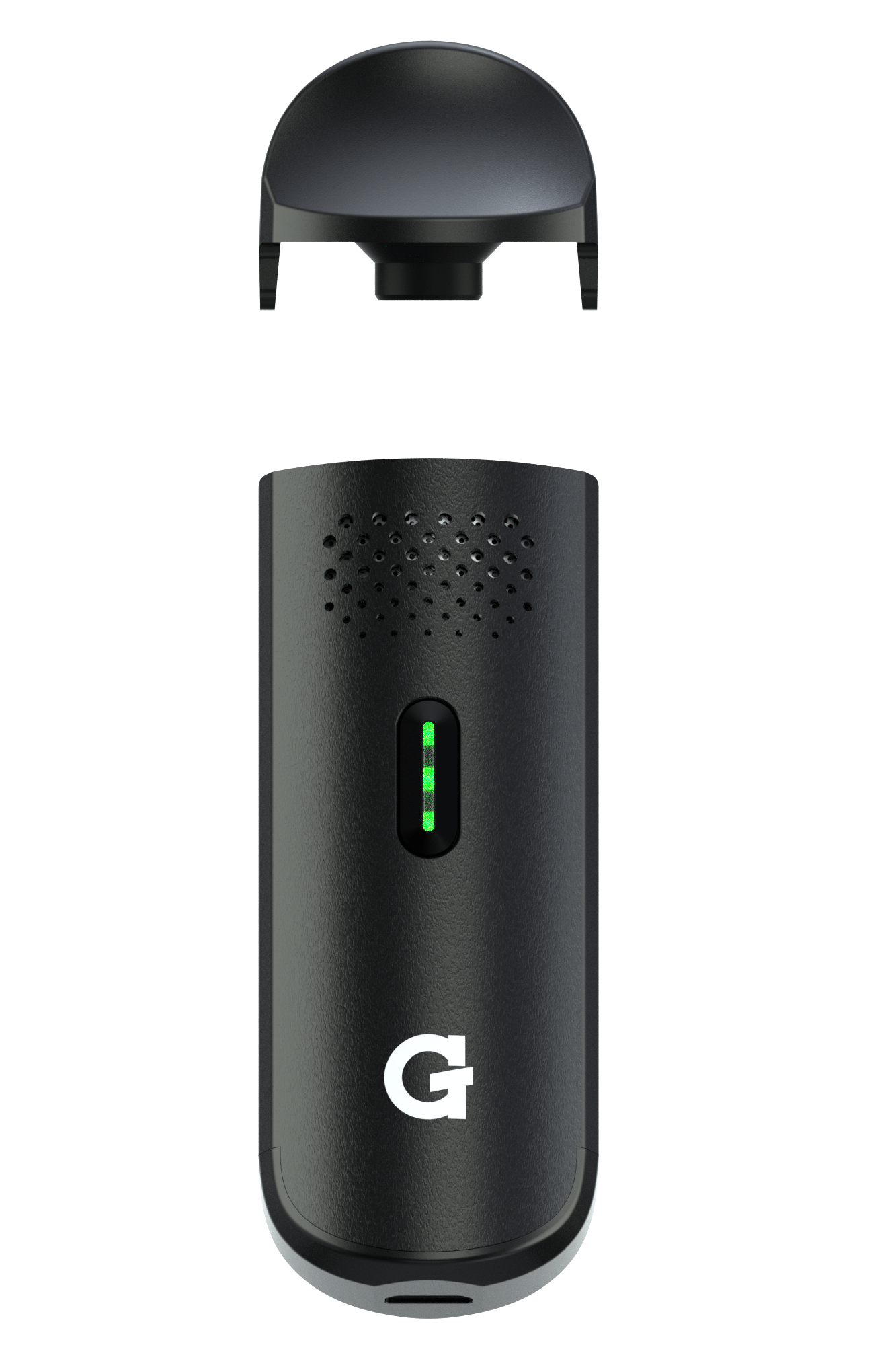
A compact black device can belong to very different hardware categories despite a similar appearance. The original G Pen Dash, for example, is documented as a dry-herb vaporizer. Its current manufacturer listing identifies the material category alongside the chamber, mouthpiece and controls.
Puffco identifies the Peak as concentrate hardware with a powered base and separate glass component. That distinction is more informative than calling both products portable or rechargeable. A shared charging connector would not make their chambers interchangeable or change their intended material.
Keep the exact product name beside the material category whenever comparing devices or replacement parts. G Pen's original Dash, Dash+ and Dash II are distinct names in its current catalog. An article about one should not silently become a specification sheet for the others.
Our G Pen Dash review provides additional context for the original model. Use model-specific coverage to understand a design, then check current documentation for its exact configuration. The product family name alone leaves too much room for mistaken assumptions.
Dry-herb hardware is not one heating design
Material compatibility does not tell you how every device in that category is engineered. Storz & Bickel's current support guidance describes combined convection and conduction heating. It identifies its devices as dry-herb hardware and distinguishes their cooling systems by model.
The same guidance lists integrated cooling units for the VENTY, MIGHTY family and CRAFTY+. Those parts matter when comparing replacement components and the amount of equipment involved. They do not establish that every portable dry-herb device has the same construction.
A useful ownership comparison therefore names the chamber, mouthpiece and any separate cooling assembly. Note which parts are replaceable through the manufacturer and which remain integrated into the body. Keep unresolved details visible instead of assuming the simplest-looking device has the fewest maintenance requirements.
Product photography can help identify the arrangement, but it cannot prove long-term reliability or comfort. An exploded view explains how pieces relate without becoming a teardown test. Treat it as a map of the documented design, not evidence of measured performance.
An e-rig adds its own set of components
The current Peak listing identifies a powered base, 3D chamber and separate glass top. It also specifies a Joystick Cap, four preset controls and a USB-C cable. These are model-specific features, rather than a checklist that defines every electric concentrate device.
The same page distinguishes Peak from Peak Pro, including the latter's Bluetooth app features. That is a difference within one manufacturer's product family, not a dry-herb-versus-concentrate divide. Extra controls and additional components should be assessed on their own terms.
Our Puffco Peak feature looks more closely at that particular format. In a category comparison, the useful question is which parts the documented kit actually includes. A photograph containing accessories does not establish that every pictured item arrives in the box.
Make a separate list for the base kit and any optional additions under consideration. That keeps dimensions, storage needs and replacement responsibilities attached to the right configuration. Otherwise, a compact product photo can turn into a misleading picture of the complete setup.
Water filtration is a feature, not the material label
The Puffco device comparison places several concentrate formats beside one another. Its chart distinguishes water-equipped Peak models from other portable concentrate formats. That is a direct example of material compatibility staying consistent while the physical configuration changes.
The Pivot listing documents a compact concentrate device with a separate glass adapter offered as an addition. Its standard component list includes a base, chamber and mouthpiece, without an integrated glass rig. Optional compatibility and included equipment should remain separate entries in any comparison.
This is why “portable vaporizer versus e-rig” can become confusing before a comparison even starts. A compact concentrate device may be called a vaporizer without becoming dry-herb hardware. Likewise, the presence of glass does not settle the material question by itself.
Compare water-related components as an ownership issue: additional pieces, care instructions and protected storage. Do not translate their presence into an unsupported health or safety ranking. A hardware feature needs evidence for each claim made about it, beyond the feature's existence.

App controls belong in a separate column
A phone connection tells you about controls, not the material a device is designed for. Storz & Bickel's Web App guidance describes customization for its supported hardware. It also states that the devices operate with factory settings without the app.
That distinction is useful when a comparison mixes physical buttons, presets and connected features. List what the device itself controls, then list what requires a compatible phone or browser. Avoid treating an optional interface as an essential feature without checking the current instructions.
Our Peak versus Peak Pro comparison explores those differences within a concentrate-device family. The wider lesson is to compare actual functions instead of awarding points for an app logo. More settings do not automatically prove that the ownership experience will suit every person.
Software support also deserves a dated source because browser and platform requirements can change. Keep the manufacturer's current compatibility page with the manual rather than relying on an old screenshot. A clear support route matters more than a vague promise of future features.
Compare the care instructions before comparing convenience
A removable mouthpiece, a chamber and a powered base may each have different cleaning restrictions. Read the instructions for the exact component, even when adjacent parts share a similar finish. Permission to clean one piece with liquid should not migrate to the entire assembly.
The original Dash listing illustrates this distinction by giving its mouthpiece a separate care procedure. Its instructions also require the unit to cool before cleaning begins. That is evidence for following the component-specific documentation, not a universal procedure for other vaporizers.
For any comparison, note the permitted supplies, removal instructions and stated limits before making convenience claims. Include unanswered questions rather than filling them with advice from another brand. A short parts diagram and a clear care document can be more useful than broad marketing language.
Keep fault diagnosis separate from ordinary maintenance when a device behaves unexpectedly or shows damage. Visible residue alone cannot establish why a battery, connection or control has stopped working. Record the model and symptoms for support rather than improvising a repair from category-level advice.
Portability means the complete stored kit
A device's size is only one part of the space it occupies in daily life. Consider the protected device, removable glass, compatible charging equipment and any care supplies together. This is a storage comparison, without assuming that a product label establishes permission to transport it anywhere.
A smaller base can still require a case arrangement that protects several separate components. Conversely, a larger integrated body may have fewer loose pieces to keep track of. These are questions to resolve from the exact kit, not conclusions that follow from its category.
Separate documented dimensions and included equipment from claims that require actual hands-on testing. Without that testing, a product photograph cannot prove drop resistance, pocket comfort or bag durability. Those limits should stay visible when deciding how much weight to give a comparison.
The clearest answer begins with material compatibility, then moves through components, controls and care. Write those facts down for the exact models, including any gaps still awaiting manufacturer clarification. Once those columns are complete, the broad labels become useful shorthand instead of the whole decision.