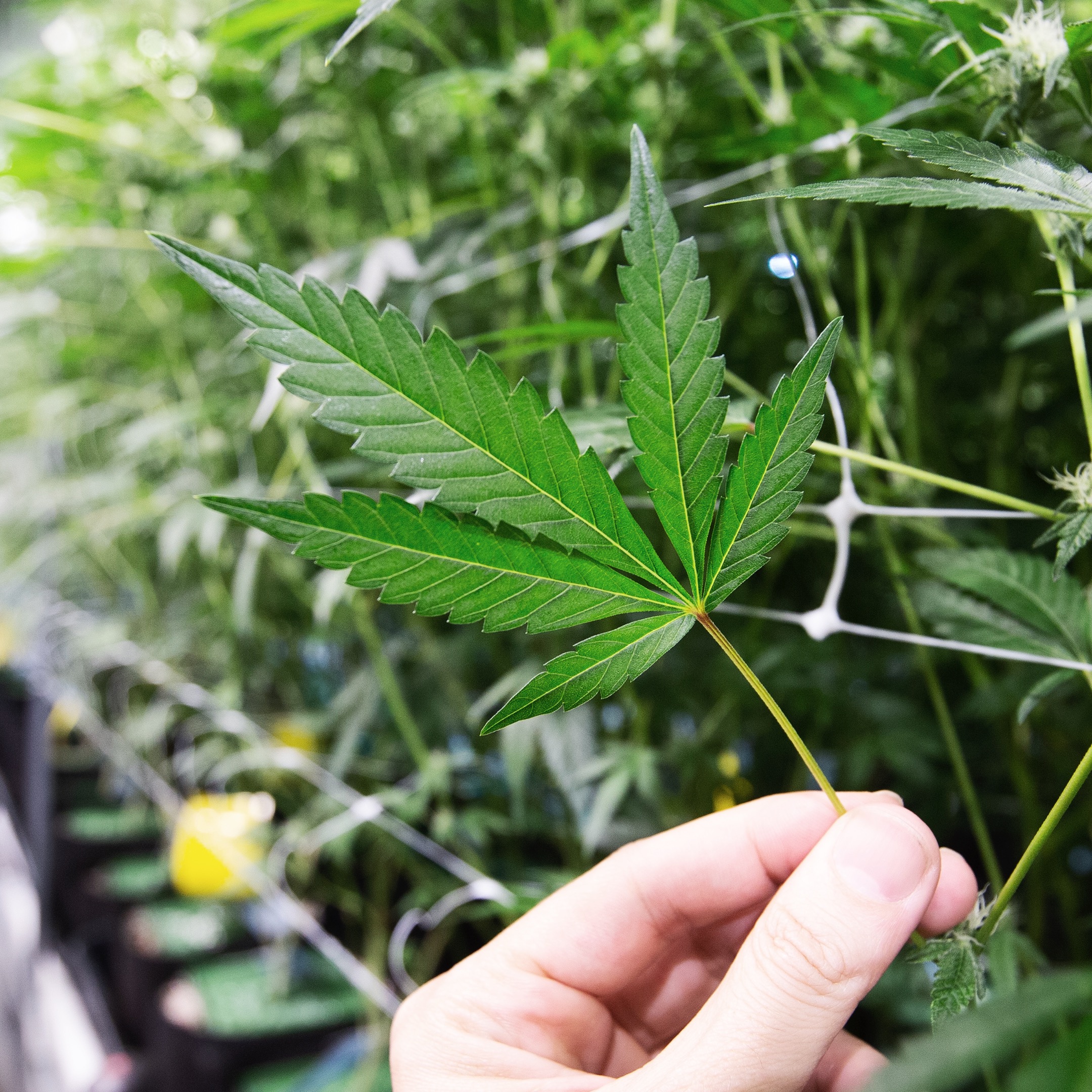
Greenhouse canopy from the High Rise archive. Editorial setting; the employers discussed are not pictured.
Cannabis cultivation jobs span plant-care teams, crop monitoring, post-harvest production and management responsibilities. Those are different kinds of work, even when openings share a broad department name. Start with the daily responsibilities, then connect your previous experience to the role. Knowing the culture helps frame questions; reliable work habits give an application substance.
This guide uses employer descriptions checked on October 13, 2026, as career-path examples. The facilities span several states, so they do not establish local hiring conditions. Openings and requirements can change after that snapshot, making the current employer page essential. The focus is professional responsibilities and application evidence, rather than instructions for growing cannabis.
Cultivation technicians work across the plant cycle
Green Thumb's cultivation technician description in West Haven combines plant-care responsibilities with sanitation and recordkeeping. It also requires employees to report safety and quality concerns through the team. The role therefore involves following procedures and communicating clearly, alongside responsibility for living plants.
That listing says prior cannabis experience is not required. It still describes specific working conditions, including repetitive movement, extended standing and a warm, humid environment. Treat those details as part of the job itself. Ask what a normal shift looks like before deciding that the title matches your interests.
For an application, connect a previous responsibility to a task the employer actually names. Following a cleaning schedule, documenting a defect or completing careful repetitive work can provide useful examples. Explain what you did and how you checked it. Avoid claiming that unrelated experience makes you ready to run a commercial grow room.
Nursery work focuses on plants before flowering
Green Thumb's nursery technician description in Centreville focuses on plants during the vegetative stage. It emphasizes recognizing abnormalities, following departmental instructions and keeping communication open with leadership. Sanitation, records and attention to detail remain part of that more specialized assignment.
Experience at a conventional nursery or greenhouse could give you concrete examples to discuss. Describe the plants you handled, the procedures you followed and the problems you reported. If your experience is personal gardening, label it accurately. It can demonstrate interest without being presented as commercial production experience.
Ask how the facility teaches its methods and checks that new employees can repeat them. Find out whether the daily assignment stays in one room or rotates across departments. Those questions help you understand the training involved. They also give you a clearer picture of the work than the title alone.
IPM combines observation, records and specialist requirements
IPM means integrated pest management, and the job description matters more than the abbreviation. Green Thumb's IPM technician role in Oglesby includes inspection records, monitoring information and collaboration with supervisors. Its requirements include prior horticulture, nursery, entomology or plant-pathology experience and strong data-handling skills.
If this path interests you, prepare an example of noticing a small problem and escalating it clearly. Quality checks, inspection records or greenhouse observations may provide relevant experience. Explain how you distinguished what you saw from what you suspected. That distinction makes an incident report easier for another person on the team to use.
That IPM listing says pesticide-applicator certification is required within 90 days of employment. This is the employer's stated condition for that position, rather than a nationwide rule. Ask how its training, supervision and credential process works before describing yourself as qualified. Interest in plant health does not establish authority to select or apply treatments.
Harvest and trim are distinct production paths
Green Thumb's harvest technician description in Toledo identifies a separate post-cultivation role. It emphasizes following procedures, sanitation, accurate material weights and records directed by a supervisor. Someone with production or inventory experience may find concrete responsibilities to compare with previous work.
The company's trim technician description in Las Vegas emphasizes precision, waste tracking and measurement skills. It also calls for consistent procedures, sustained focus and communication with the team. Those expectations create a different application emphasis from a role centered on crop monitoring.
Warehouse, food-production or assembly experience may offer examples of accuracy, cleanliness and repeatable output. Use only examples that describe your own work. If you tracked quantities, explain the recording system and your specific responsibility within it. A concrete account of catching a counting error is more useful than calling yourself detail-oriented.
Management adds responsibility for people and systems
A cultivation career does not have one automatic promotion ladder or a single management track. Green Thumb's post-harvest supervisor description in West Haven combines team supervision, inventory and quality reporting. Its operations manager description in Rock Island adds budgeting, facility planning and business reporting. Both examples extend beyond performing an individual production task well.
For a leadership application, bring evidence of training people, organizing work and resolving operational problems. Name the size and scope of your responsibility accurately. Supervising a shift is different from managing an entire facility. Both can be valuable experience when the description is precise and the role fits.
If you are entering at technician level, ask how the employer evaluates progression into leadership. Find out what additional duties a lead takes on and how training opportunities are assigned. Do not assume that time served guarantees promotion. Use the answer to judge whether the workplace offers the professional development you want.
Separate required experience from preferred experience
The Oglesby IPM posting says prior cannabis experience is unnecessary while requiring relevant scientific or horticultural experience. Those statements are compatible: the employer distinguishes industry familiarity from the skills needed for the role. Read both qualification sections before treating any opening as an entry-level opportunity.
Make a short list of requirements you meet, preferences you meet and gaps needing clarification. Keep employer conditions separate from assumptions about what every facility demands. If the description names a credential, ask about that exact credential rather than substituting an unrelated course.
Translate your experience without inflating it
Build the resume around the opening's actual tasks and the evidence you can supply. Start with three relevant responsibilities from previous work, study or volunteering. For each one, write what you handled, which procedure you followed and what you checked. Include numbers only when you can support them.
For example, a hospitality applicant might describe completing scheduled sanitation checks and handing unresolved issues to the next shift. A warehouse applicant might explain reconciling physical quantities with a log. These are suggestions for finding relevant examples, not claims that either background automatically meets a cultivation employer's requirements.
Keep personal enthusiasm in proportion to the practical information a hiring team needs. Explain why a particular task interests you and what you still need to learn. If you completed relevant training, name the provider and scope accurately. A course completion should not be presented as a professional license or commercial experience.
Ask about the shift before committing to the role
Bring questions about schedule, location, training, equipment and the tasks performed most often each shift. Ask how the team normally handles an unclear instruction or an unexpected plant problem. Request a clear explanation of physical duties and available accommodations through the employer's process. You are evaluating whether the actual work fits your circumstances.
For compensation context, our California cannabis salary guide separates sources and dates. Compare the specific employer's current offer, hours and benefits rather than treating a title as a pay guarantee. The national role examples in this article do not establish a California wage or hiring requirement.
For industry context, explore the High Rise media directory and look for interviews with cultivation professionals. Use those conversations to develop informed questions about the work. Keep them separate from an employer's actual procedures and training. A podcast can introduce a subject without qualifying someone to perform a technical task.
Choose one clear entry path
Start with the role that best connects your existing evidence to the employer's daily needs. Plant care, observation, production accuracy and team leadership each call for a different application emphasis. You can explore more than one career path while keeping each individual application specific. The goal is an honest match, not the broadest possible claim.
Browse the High Rise job directory, then confirm the opening on the employer's own application page. Read the duties and requirements again before submitting. Save the job description you applied to so you can prepare for an interview. Show what you can already do, and be clear about what you are ready to learn.