The brand gets the artwork on the box. Someone still has to get that box into the right store, with the right batch information, at the right time. Nabis works in that space between a cannabis product and the retail shelf. Understanding its role makes the California market easier to follow, especially when several companies touch the same product before a customer sees it.
Nabis combines wholesale ordering software with distribution services, including storage, fulfillment and payment collection. Its newer sales-support offering adds another role. These services connect brands and retailers, but they do different jobs. A distributor moving a product does not automatically become its manufacturer, its laboratory or its owner. That distinction is the starting point for understanding the company.
The founders started with deliveries
According to Nabis's company history, Vince C. Ning and Jun S. Lee founded the business in 2018. Both came from software. Ning worked at Microsoft and founded Scaphold, later acquired by Amazon. Lee worked at Facebook before founding Allganize. Nabis says the pair began by making deliveries themselves.
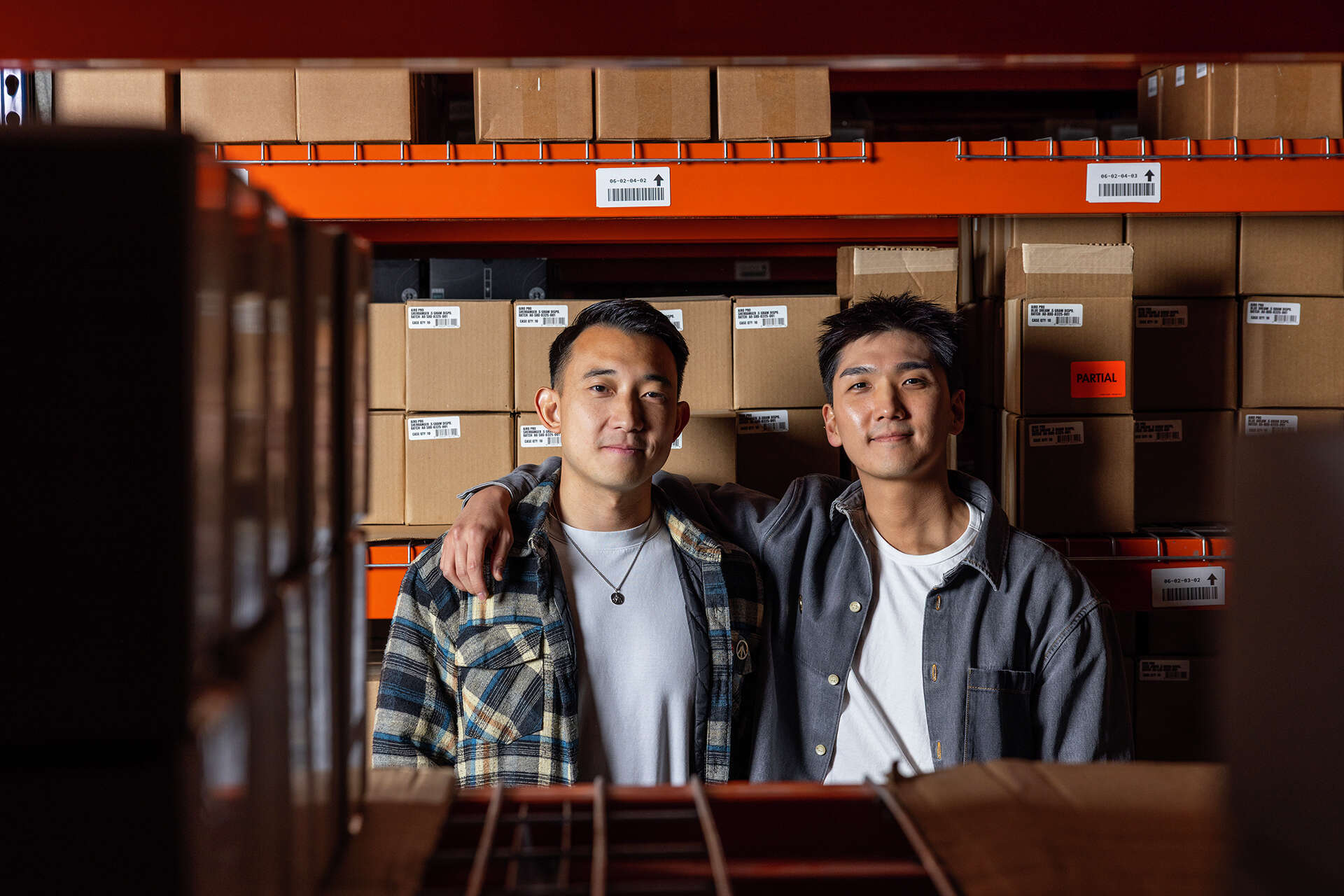
Nabis connects a software interface to physical work. An order can begin on a screen, but it still needs goods in a facility and people moving them. Neither side replaces the other. The warehouse is where the information attached to a product has to meet the actual product.
Cannabis coverage often follows cultivators, artists and packaging. Some of Nabis's most consequential work happens outside a brand's public identity. You can recognize a jar immediately and still know little about the businesses that stored it, coordinated its shipment or collected the retailer's payment.
An order has to become a shipment
Nabis's distribution service page describes warehousing, batch pickup, testing coordination, shipping and collection of payments. Its portal lets brands manage inventory by batch and SKU across facilities, upload licensing information and certificates of analysis, and create or track deliveries.
A SKU identifies a particular product in an inventory system; batch information distinguishes the production group attached to goods. Both matter when a company handles multiple products from multiple brands. A recognizable package alone does not tell a warehouse which inventory should be associated with an order or its supporting documents.
Those records also connect work happening in different places. What a brand sees as available inventory, what a facility holds and what a retailer ordered need to describe the same goods. A shared interface is designed to make that coordination clearer. It is not evidence that every delivery happened on time or that a particular store currently has the product.
This is where the familiar idea of a “drop” gets a second layer. The announcement gives people a reason to notice a release. Fulfillment gives the release a route into stores. A strong visual identity and a working distribution arrangement contribute to different parts of that journey.
Testing has its own responsible business
California's Department of Cannabis Control distribution guidance separates several responsibilities. Distributors make sure a licensed testing laboratory tests batches before sale. Goods can move to a retailer for sale only after passing testing, and type 11 distributors also conduct a quality-assurance review before that transport.
The laboratory and distributor therefore have distinct roles. A service list that includes “testing” should not be read as a claim that the distributor itself performs laboratory analysis. Arranging the work, maintaining its documentation and conducting a distributor's review are different from being the licensed laboratory that tests the goods.
That division matters when readers encounter claims about a product. A distribution relationship does not establish where it was cultivated, who manufactured it or what a particular laboratory report says. Those details belong to their named sources. Keeping the businesses separate gives each one proper credit and responsibility.
A wholesale menu serves a different customer
The Nabis Marketplace is presented as an ordering service for licensed retailers. Its product listings connect to inventory and show information including expiration dates and certificates of analysis. The company also describes tools for selecting delivery days, bundling orders and tracking invoices.
The retail buyer is making a different decision from someone browsing a consumer menu. The buyer needs to assemble an order, understand the goods being offered and coordinate delivery. A product's presence in a wholesale catalog does not establish that a particular neighborhood store has chosen to stock it.
Nabis says its system separates invoices by brand when goods are delivered. That detail is easy to overlook, but it shows how one ordering interface can sit above multiple business relationships. A combined delivery does not turn the brands into one company or make their individual product stories interchangeable.
High Rise's Hall of Flowers feature looks at another point in this relationship: the meeting between brands and retail buyers. A trade-show conversation and a wholesale order are connected possibilities, not the same event. After the conversation, the actual goods still need a documented path into the store.
Delivered and paid are separate milestones
Distribution also involves the movement of money. On its Nabis Capital page, the company describes invoice factoring: purchasing an outstanding retailer invoice after the sale and delivery. It distinguishes that service from taking title, which means purchasing the inventory itself and subsequently selling it to the retailer.
The distinction explains why “the distributor bought it” can mean different things. Buying a receivable concerns the payment owed on an existing transaction. Buying inventory concerns the goods. Those arrangements should not be blended into a vague assumption that Nabis owns every product it transports. Buying a whole company is a third arrangement again, as High Rise's look at the Curaleaf and Aurora dispute shows.
Financing also has terms, fees and eligibility requirements. The company's page describes approval and underwriting, so the presence of a financing service is not a guarantee that every brand or invoice qualifies. For this company profile, the useful point is the additional role: physical delivery and payment timing are separate problems within the same commercial relationship.
Bloom adds sales support to the picture
On July 15, 2026, Nabis announced a premium service tier with Bloom as a founding portfolio brand partner. The California offering adds hands-on sales support to its existing distribution, wholesale and financial services. The announcement also describes plans to expand the sales infrastructure and introduce further tiers.
Sales support changes who participates in the conversation before an order exists. Distribution concerns getting goods through the system; sales work concerns developing the retail relationship around those goods. A company can provide both, but the services remain distinct. The Bloom announcement is useful because it makes that expanded role explicit.
The release's ambitions should stay ambitions. A stated goal for a partner's growth is not proof of a later market ranking, and planned service expansion is not a completed rollout. What the announcement establishes is the offering and the named partnership at that point in time.
The shelf has more than one author
Different cannabis businesses draw the boundaries in different places. High Rise's Raw Garden feature follows an integrated farming and extraction story. Our Jungle Boys profile examines a company built around cultivation and its own retail identity. Neither link establishes a Nabis partnership; they show why the producer's business model deserves its own description.
Nabis adds a view of the shared work that can sit between independent brands and stores. The product retains its maker, its batch and its identity while moving through another company's systems. That is a more useful picture than imagining every package travels directly from the founder's hands to the shelf.
For the cannabis community, the value is knowing who did what. Follow the cultivar and the creative work, but leave room for the warehouse team, the laboratory, the buyer and the people reconciling the order. A product's public story is strongest when the businesses behind it have clear names and clear roles.