A cannabis convention tells you something about the market it gathers. The exhibitors, local organizations and conversations all depend on who can actually work together after the room empties. NECANN builds its identity around that regional connection.
The series has a national footprint, but its stated organizing principle is local markets. Boston anchors the next published circuit, followed by stops including Minneapolis, Atlantic City, Richmond and Providence. The interesting question is how a recurring convention name can carry different communities instead of flattening them into one generic industry crowd.
For a California reader, that makes NECANN worth understanding beyond a date on the calendar. It offers a view of cannabis culture at the point where local businesses, advocates and working professionals meet. Here is how to read the series and decide which parts deserve your attention.
The regional idea is the main event
NECANN’s company history dates the organization to 2014. It describes a convention model built around individual state markets and the people working inside them. That is the organizer’s account of its purpose, rather than independent proof of every claimed outcome.
The distinction is useful because a convention’s mission and a visitor’s experience are not identical. A local emphasis should become visible in the actual program, participating organizations and exhibitors. Those are the details to examine when the edition you are considering publishes them.
There is a cultural reason to care about that structure. Cannabis communities do not become interchangeable because they share product categories. A regional convention can give a market’s own participants more room to describe their work, priorities and history.
It can also make the geography of the industry easier to understand. Instead of treating every gathering as a national ranking contest, you can ask what this particular room reveals about its place. That is a more interesting question than counting branded tote bags.
Boston gives the series a concrete starting point
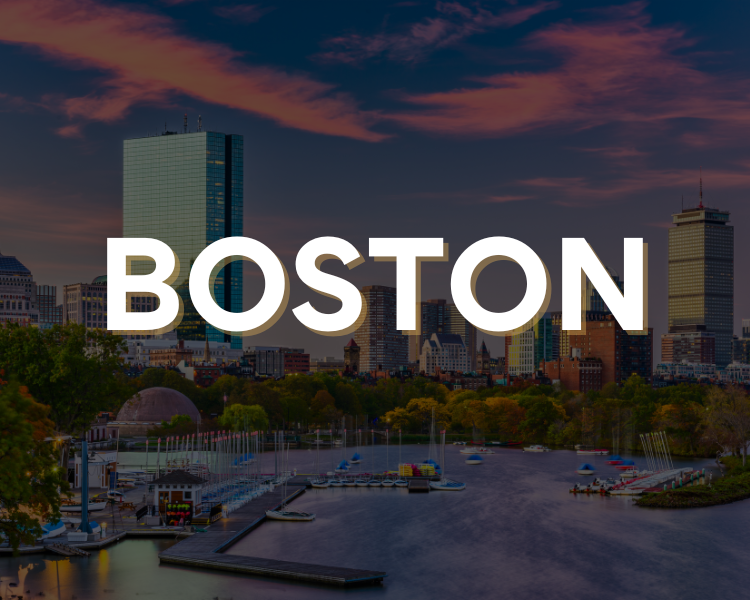
The current Boston event page lists April 9–10, 2027, at the Hynes Convention Center, 900 Boylston Street. Its published expo hours run from 10 a.m. to 5 p.m. Friday and 10 a.m. to 4 p.m. Saturday.
Those are organizer-listed plans, checked in October 2026. They establish the next Boston edition’s place on the calendar without telling us who will appear on every panel. A date announcement and a completed program are different stages of an event.
High Rise’s NECANN Boston event listing is the place to keep the core logistics together. The wider series adds context to those logistics by connecting Boston with a circuit of distinct local gatherings.
For someone comparing trips, that separation helps. First decide whether the event’s purpose matches your interests. Then use current organizer information for admission, timing and travel decisions. A familiar convention name should not make those practical checks disappear.
The circuit is not one edition repeated everywhere
NECANN’s published convention schedule lists several distinct stops. After Boston, the current calendar includes Minneapolis in May 2027, Atlantic City in September, and Richmond and Providence in October. Philadelphia appears separately as an April 2028 edition.
Keeping those editions separate matters. A speaker, exhibitor or admission detail announced for one city should not be carried into another automatically. The umbrella brand connects the events, but each edition still needs its own current information.
That is also how to approach the regional premise as a reader. Look for the organizations and participants attached to the city you actually mean. A broad national partner list may explain the series, while a local program tells you more about the room you would enter.
The schedule offers a useful reminder that cannabis events have different geographic jobs. Some gather a national audience in one place. Others travel through markets with a recurring format. Neither structure guarantees a better experience for every attendee.
Look for the people behind the local emphasis
A regional claim becomes more meaningful when you can identify the participants it includes. Before committing to an edition, examine its published exhibitor list, educational program and community organizations. Those details can show whether your interests have a real presence.
A person interested in cultivation may read the floor differently from someone following retail culture or advocacy. The same aisle can support very different conversations. Decide which questions you want to explore before assuming the event will answer them all.
For a West Coast visitor, listening may be the most useful starting point. Ask how local participants describe their market and what they consider distinctive. That approach leaves room for differences instead of using California as the automatic template for every conversation.
A useful program makes that context visible by showing who is speaking and why their perspective belongs in the room. Until those details are available, keep your expectations tied to what the organizer has actually announced.
The social-equity pledge deserves a specific reading
NECANN states that it donates 10% of exhibit-hall space to social-equity licensees and advocacy groups. That is a concrete organizer pledge with a defined subject: space on the floor. It should be described that way rather than expanded into a claim about every attendee’s access or results.
For readers, the next useful question is how that commitment appears in the edition’s actual layout and participant list. Which organizations are present? How are they introduced? Can a visitor find them easily alongside the rest of the exhibitors?
Those questions treat inclusion as something visible and specific. They are more useful than letting the phrase become background decoration. A convention can announce an intention; its published details give attendees a way to understand how that intention takes shape.
The Cup has its own information to follow
The NECANN Cup website is a separate source for competition information. The series connects the Cup with its broader event identity, but competition entry details still need to be read for the correct location and year.
Do not take a New Jersey intake schedule, for example, and assume it describes Boston. Competition pages can hold information about several editions at once. The location, year and specific instructions are what make a detail applicable.
For an attendee, the Cup can add another reason to follow the event. It brings named participants and a competition context into the larger gathering. That does not mean a convention admission automatically includes judging privileges, product access or participation in every related activity.
The safest planning habit is to keep the competition page and convention page distinct. Read how they connect for the edition you want, then follow the actual terms of each. A shared name does not erase separate arrangements.
A convention floor is not automatically a consumption event
Boston’s organizer FAQ states that cannabis cannot be sold, distributed or displayed at the Hynes convention. That is an important limit for anyone arriving with expectations shaped by a consumer festival or a different kind of cannabis gathering.
Read the current venue rules before packing, and do not assume an off-site promotion changes them. The purpose of a trade gathering can be conversation, education and professional connections without turning the exhibition hall into a retail or consumption space.
High Rise’s look at MJ Unpacked offers another point of comparison for industry-focused events. The useful comparison concerns format and audience, not a promise that two shows provide identical access or activities.
Separate published access from future possibilities
The organizer’s Boston registration page currently says general registration is not open. NECANN also presents an application route for licensees and qualified buyers. An application is a process to follow, not a universal promise of free entry.
That leaves some planning decisions appropriately unfinished. Wait for the actual admission information before assigning a price, benefit or access level to your trip. Past editions can provide context, but they are not a substitute for current terms.
Use High Rise’s cannabis event calendar to place the dates beside other gatherings, then return to the organizer for the details that govern attendance. A calendar helps you discover the event. The current edition determines what you can actually expect.
NECANN’s regional model is worth watching because it makes place part of the convention’s identity. The strongest version of that idea gives local participants more than a backdrop. It lets them define the conversation inside the room, with enough specificity that visitors leave understanding the market better than when they arrived.