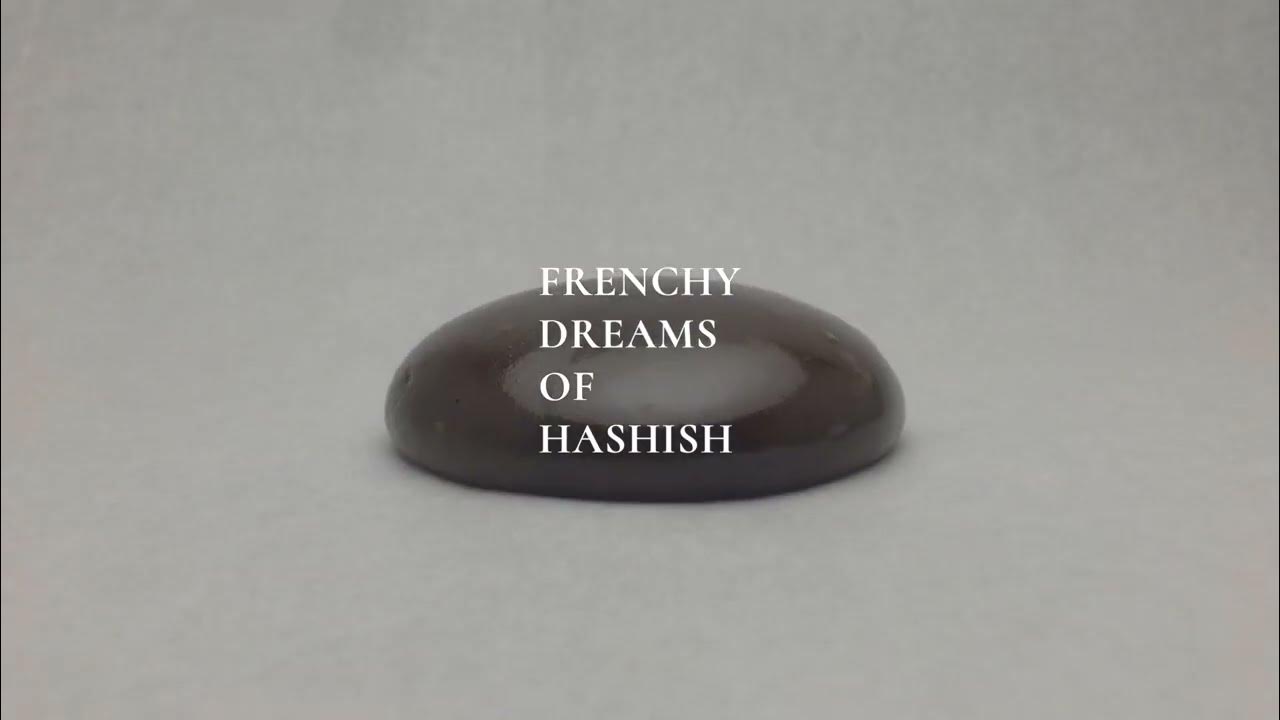
Frenchy Cannoli’s public archive keeps returning to the people behind the plant. The documentary Frenchy Dreams of Hashish puts that concern into a cultural frame: a craftsperson, the farmers around him, and a California market moving through a major transition.
The film’s official description gives viewers a useful starting point before pressing play. Director Jake Remington followed Frenchy over two years, moving between Barcelona and California’s Emerald Triangle. The project places those relationships alongside the shift from the state’s medical era toward its adult-use system.
A film about a person and a farming community
On the official documentary page, Remington explains that the project grew from encounters with Frenchy and his circle. His stated intention centers on small farmers, their working values, and the pressure surrounding California’s market transition. That is the filmmaker’s framing, rather than a neutral account of every participant in the industry.
It is also what makes the subject worth approaching as culture. A craft can be described through finished objects, but its history also lives in introductions, travel, teaching, and shared language. The documentary’s premise gives those relationships a place alongside the product.
The film sits within a larger public archive of writing, biography, and educational material. That surrounding work offers useful context before a viewing and further reading afterward. The current official documentary page provides the film’s own introduction and links readers toward its viewing destination.
The historical screening dates listed on that page belong to 2022. They show part of the film’s earlier public life, not a current event schedule. That distinction matters when an old poster or screening announcement resurfaces without the year attached.
Frenchy’s biography explains the wider map
The official biography describes Frenchy as a California-based teacher, artisan, consultant, and activist. It traces his upbringing to Nice, France, followed by more than two decades of travel. The countries named include Morocco, Mexico, Nepal, Pakistan, and India.
The same biography connects his later California life with teaching and public education. It describes seminars, freely shared videos, work toward common grading language, and support for regional recognition of cannabis production. Those activities help explain why a film about him can reach beyond one maker’s career.
For a viewer, the geography is a reminder to resist a California-only origin story. Frenchy’s published biography describes learning across several places before settling in the state. A profile that starts and ends with a California label would miss that movement of knowledge.
It also helps separate influence from ownership. Learning from a tradition, teaching a method, and creating a commercial identity are different activities. A thoughtful cultural discussion can recognize a visible teacher while keeping attention on the communities and producers surrounding that person.
The written archive broadens the picture
Frenchy’s writings index lists work across several publications and years. Subjects include concentrate history, classification, terroir, and workshop education. The titles alone show the range of his public interests, though they cannot stand in for reading each complete article.
Two entries are particularly useful orientation points: a 2015 piece titled Learning from the History of Wine and a 2017 entry on cannabis terroir. They place the interest in provenance within a longer publishing history. This was not simply a caption attached to the documentary’s release.
The index also lists a multipart workshop series across 2018 and 2019. That record supports a view of teaching as sustained work rather than a single appearance. Anyone studying the archive should keep publication dates attached, especially when comparing older terminology with current product labels.
High Rise’s history of 710 and concentrate culture approaches another part of that public language. Dates, names, and rituals help explain how a community talks about itself. Frenchy’s archive adds a particular maker’s perspective to that larger conversation.
Place is more than a romantic backdrop
The archive also contains a scoring page tied to Frenchy’s September 2015 writing on resin classification. Its central argument is that specialist knowledge needs a common language that a wider audience can understand. Whatever a reader thinks of the proposed system, the page documents an effort to make expert judgment more explicit.
That distinction is useful in a culture where reputation can outrun explanation. A named set of criteria gives people something to discuss, question, and compare. It does not turn one maker’s framework into a universally adopted standard. Read it as part of Frenchy’s educational project and the history of that conversation.
The documentary’s stated attention to farmers makes geographic identity a useful question to carry into a viewing. When a region appears on a label, what does that name actually tell the audience? It might identify a farm location, a cultural association, or a formally defined production area.
Those meanings should not be merged automatically. California’s Cannabis Appellations Program describes a protected geographic designation tied to production requirements. The state’s current page says petitions are not yet being accepted and anticipates opening the program in late 2026.
That current status is separate from Frenchy’s historical advocacy. Support for regional recognition does not mean a particular farm or region already holds an approved appellation. Keeping aspiration, policy development, and an established designation distinct makes the cultural argument more credible.
The question still has value before any designation is granted. A viewer can ask whether farmers receive names, whether places receive context, and whether the story explains who carries the work forward. Those are ways to engage with the film’s premise without pretending to resolve every policy debate around it.
A useful way to approach the documentary
Start with the relationship between the central figure and the people introduced around him. The official premise identifies a network of farmers and collaborators. Pay attention to how the film presents those relationships, and distinguish a participant’s personal account from a claim about the entire market.
Next, keep the period of filming in view. A documentary made around a regulatory transition records a particular moment and set of expectations. Its historical value does not depend on every condition remaining unchanged. Contemporary conclusions need contemporary evidence alongside the film.
Finally, ask what survives outside the screening itself. A film can introduce a person, while interviews, writing, and educational archives let audiences continue exploring. Frenchy’s official site brings several of those formats together, making it possible to follow a subject beyond one promotional trailer.
Our 710 Labs brand history offers a separate account of how a concentrate company built its public identity. Reading different kinds of stories together keeps a single person or company from becoming a substitute for the whole culture.
Keeping craft history useful
Film credits and publication credits deserve equal attention here. Jake Remington’s role identifies the person shaping the documentary, while Frenchy’s bylines identify his own published perspective. Keeping those voices separate allows readers to recognize both the subject and the author of a story, rather than treating every statement around the film as one collective account.
There is an easy version of legacy coverage that stops at reverence. The more useful version leaves readers with names, sources, and distinctions they can carry forward. Frenchy’s documentary page, biography, and writings index provide several entry points into that deeper conversation.
For readers exploring current products, our California solventless brand comparison returns attention to the producer and the specific jar. A historical reputation and a present-day product are related subjects, but they are not interchangeable evidence.
The same care belongs in cultural memory. A recognizable face can open the door, while the farmers, teachers, and regional histories keep the story grounded. Giving those contributors room makes the work more interesting than a simple legend-building exercise.
Frenchy Dreams of Hashish offers a clear premise for that exploration. Begin with the filmmaker’s stated focus, follow the official archive, and keep the historical period visible. The lasting conversation is about how cannabis culture remembers the people, working relationships, and places responsible for its craft.