What is 710? Flip the number upside down and it spells "OIL." That simple visual joke became the foundation for cannabis concentrate culture's unofficial holiday, celebrated every July 10. If 4/20 belongs to flower, 710 belongs to extracts: live rosin, diamonds, sauce, hash and every form of cannabis oil in between. Here's the full story: where it came from, how it grew and why it matters to anyone who takes concentrates seriously.
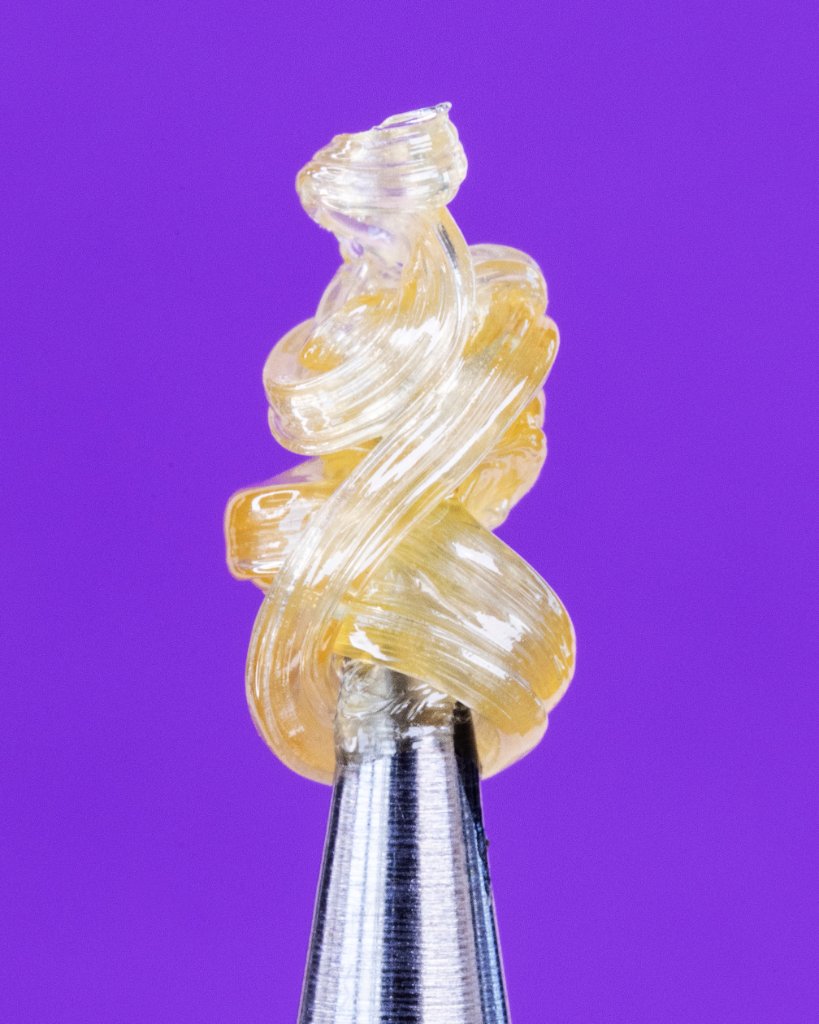
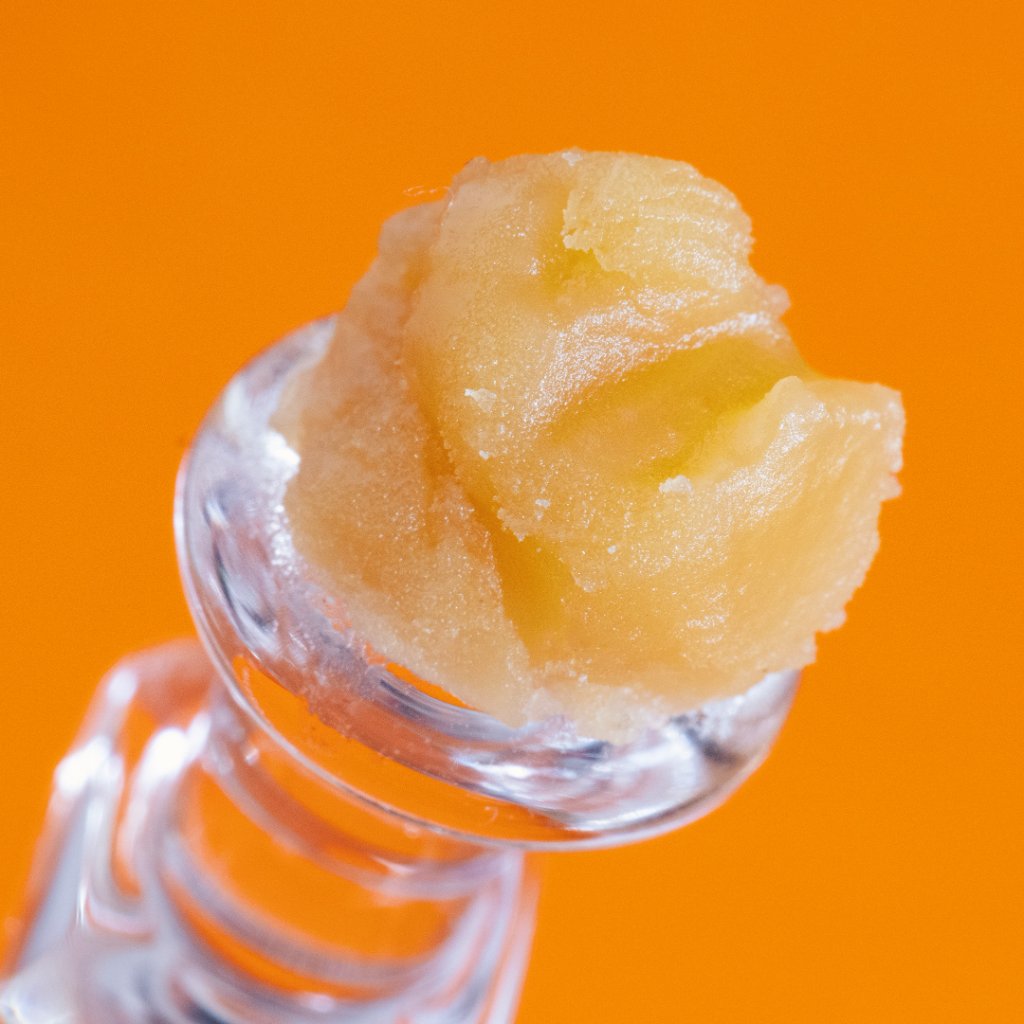
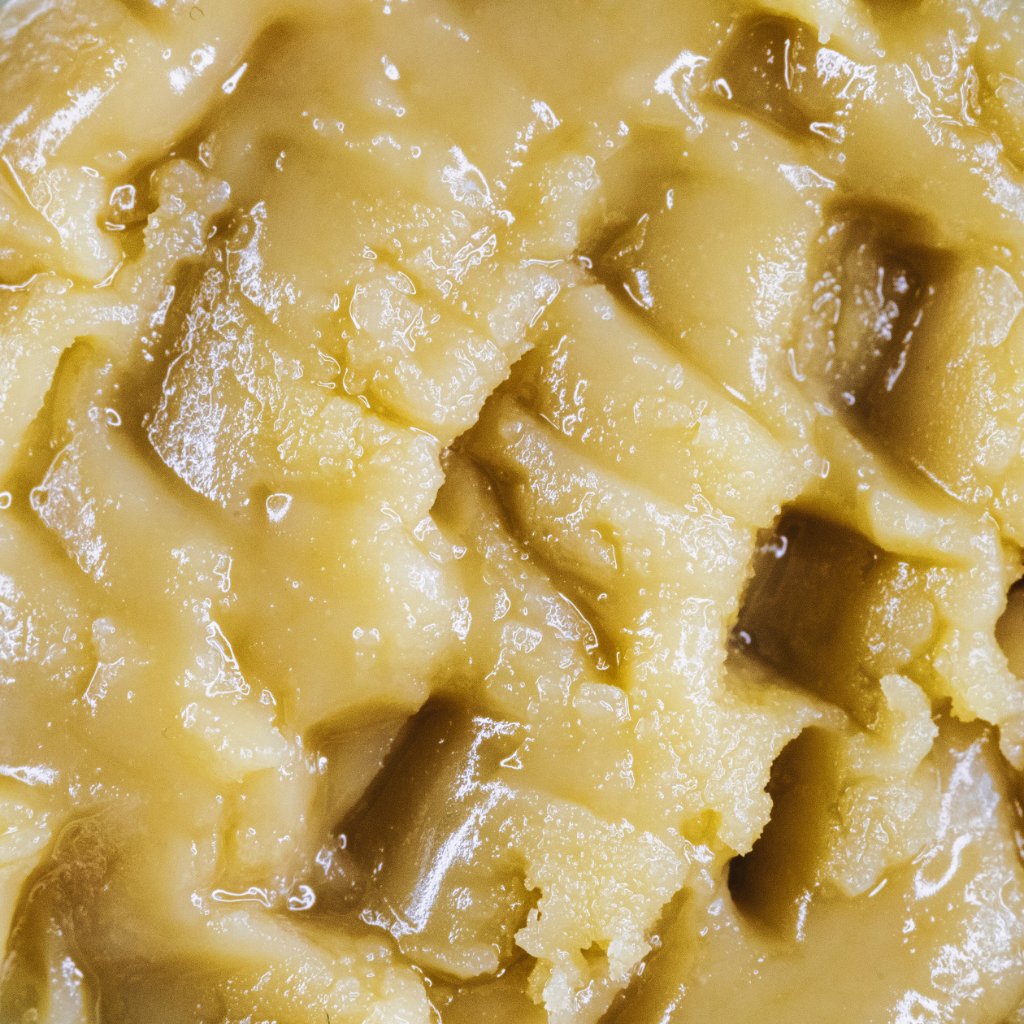
What does 710 mean in cannabis culture?
The origin is straightforward. Rotate 710 180 degrees, the way you'd flip a calculator, and it reads "OIL." Unlike 420, which centers on flower, 710 became shorthand specifically for cannabis oil and extract culture. When someone says they're "into 710," they mean concentrates: solventless, hydrocarbon, CO₂, all of it. The number eventually anchored itself to July 10, and an industry holiday was born.
Where the number came from
710 didn't start as a marketing campaign. It started as slang. By around 2011, early adopters on cannabis forums such as TokeCity were using "710" to refer to oil-based products, and the term was showing up on Urban Dictionary. The same year, Task and Linus of Highly Educated released an album called The Movement with a track titled "7:10," a direct nod to dabbing.
The turning point came in 2013. On July 10 of that year, LA Weekly ran a piece declaring that "710 is the new 420," putting the idea in front of a mainstream readership. Two days later, Denver hosted the first 710 Cup, a competition built around concentrates. Between the press moment and a dedicated event, the date stopped being an inside joke and became a fixture on the calendar.
Cannabis concentrates existed long before 710
The holiday is new. The concentrates aren't. Hashish has been produced across Asia, the Middle East and parts of Africa for centuries, long before any modern extraction lab existed. Early producers already understood that the plant's resin held its most valuable compounds.
Traditional concentrate techniques included:
- Hand-rubbing fresh cannabis flowers to collect sticky resin
- Dry-sifting cured material through fine screens
- Pressing collected trichomes into blocks of hash
- Using heat and pressure to refine texture and extend preservation
These methods laid the foundation that modern extractors still reference. The science has evolved; the core principle hasn't.
How modern cannabis extraction actually developed
The concentrate market shifted hard during the 1990s and early 2000s. As medical cannabis programs expanded, particularly in California, cultivators and extractors began developing techniques that could isolate cannabinoids and terpenes far more efficiently than traditional hash-making. The most influential development of that era was butane hash oil (BHO).
By running butane through cannabis plant material, extractors could dissolve cannabinoids and terpenes, then purge the solvent to produce a dense concentrate. Early BHO was inconsistent and the process carried real safety risks. Skilled operators refined their methods over time, producing cleaner, more consistent products, and the modern concentrate movement was underway.
Want to see how today's extracts are catalogued? A record like Ice Cream Mints rosin shows how far strain-specific concentrates have come from anonymous oil.
The birth of dabbing and why it changed everything
Concentrate consumption took a defining turn when the dab emerged as the dominant ritual. Rather than adding concentrates to a joint or bowl, consumers began vaporizing small amounts on heated titanium or quartz surfaces using specialized rigs. The result was cleaner flavor and a ritual that quickly became central to concentrate culture.
As the technology improved, so did the gear. Modern consumers now have access to:
- Quartz bangers
- Electronic dab rigs and precision e-rigs from brands like Puffco
- Temperature-controlled setups with infrared readers
- Portable concentrate vaporizers
- Nectar collectors and precision carb caps
These tools made concentrates more approachable without sacrificing the terpene integrity that low-temperature dabbing is built around. If you're dialing in your setup, start with our breakdown of low-temp versus high-temp dabs.
Why the West Coast led concentrate innovation
California, Colorado, Oregon and Washington became the epicenters of extraction culture, and it wasn't by accident. Established medical markets, access to elite genetics, experienced cultivators and early legalization created the conditions for serious extraction companies to develop and compete. As the field got more crowded, the focus shifted from raw potency to flavor, terpene preservation and strain-specific extraction.
That shift permanently raised consumer expectations. THC percentage alone stopped being the selling point. Brands that could demonstrate craftsmanship, such as fresh-frozen inputs and single-source genetics, started commanding serious attention.
From shatter to live resin to solventless: how the product lineup evolved
Early concentrate shelves were dominated by shatter, wax, budder and crumble. Then came one of the industry's most significant breakthroughs: live resin. By freezing cannabis immediately after harvest rather than drying it, producers preserved the volatile terpenes that traditional drying and curing lose. The resulting product delivered a more vivid flavor, and the category took off.
From there, the solventless movement gathered serious momentum. Producers returned to mechanical separation rather than hydrocarbon solvents, giving rise to:
- Ice water hash and bubble hash
- Dry sift
- Rosin and live rosin
Rosin, made with only heat and pressure, became one of the most celebrated innovations in modern cannabis. Many consumers and operators consider premium live rosin the highest expression of the plant, because it is made without solvents through a purely mechanical process. It sits at the top of the price ladder on many concentrate menus.
Brands that defined 710 culture
A handful of brands helped raise the bar for the entire category. 710 Labs became one of the most prominent examples. The company says it has been producing cannabis since 2010, and it built its identity around small-batch, hand-trimmed flower and an obsessive focus on rosin. Today it operates across Colorado, California, Florida, Michigan and New Jersey. For the full story, read how 710 Labs built California's rosin market.
That emphasis on craftsmanship, including single-source cultivation, flavor-forward products and honest production specs, pushed the conversation well beyond potency numbers. Other brands followed suit, and the result was a concentrate market that increasingly rewarded quality over marketing.
How 710 became an official cannabis holiday
After 2013, the celebration expanded quickly. Brands began timing product launches to July 10, dispensaries built July 10 events around concentrate drops, deals and hash tastings, and regional events multiplied across legal markets such as Arizona, Colorado and Oregon. Social media did the rest, with #710 spreading across Instagram, Reddit and YouTube and pulling concentrate culture into the mainstream conversation.
The format keeps growing. In 2025, SF Hash Week ran from July 8 to July 14 and brought together more than 45 brands and a run of product launch events, turning a single date into a full week of programming. Today, July 10 is a fixture on the cannabis retail calendar, with extract brands dropping limited releases and shops running concentrate promotions.
The full range of concentrates you'll find today
Modern concentrate culture is diverse enough that there's an entry point for every consumer. The current product lineup includes:
- Live resin and live rosin
- Badder, sugar and sauce
- Diamonds (THCA crystalline)
- Crumble and shatter
- Hash rosin and full-melt hash
- Distillate and CO₂ oil
- Vape cartridges and disposable vaporizers
Each extraction method produces a distinct cannabinoid and terpene profile. The choice isn't just about potency. It's about flavor intensity, texture and how the product was made. A strain-specific record such as Wedding Cake concentrate is a good example of how the same genetics can show up across different formats. Once you've got your jar, keep your glass right with our guide on cleaning a dab rig without killing the flavor.
Frequently asked questions
What is 710 in cannabis terms?
710 is the cannabis community's shorthand for concentrate culture. The number spells "OIL" when flipped upside down, and it's become both a term for cannabis oils and extracts and an annual holiday celebrated on July 10, the concentrate equivalent of 4/20.
What's the difference between 420 and 710?
420 is a general cannabis holiday rooted in flower culture. It traces back to 1971, when a group of San Rafael High School students known as the Waldos used 4:20 p.m. as their meeting time. 710 is newer and specific. It's dedicated entirely to cannabis concentrates and extracts: live rosin, hash, diamonds, sauce, vape oils and every derivative of cannabis oil.
What are the most popular concentrates celebrated on 710?
The most prominent products in current 710 culture include live rosin, live resin, hash rosin, diamonds and sauce, and full-melt bubble hash. Solventless products, particularly premium live rosin, have become the prestige tier that serious concentrate consumers gravitate toward during 710 drops and events.
When did 710 become a cannabis holiday?
710 was circulating as slang on cannabis forums by around 2011. It became a recognized holiday in 2013, when LA Weekly declared "710 is the new 420" on July 10 and Denver hosted the first 710 Cup two days later. Since then, brand drops, dispensary deals and regional events have made July 10 an annual fixture.